Russia-Greek-English
Рождественское
послание Святейшего Патриарха Московского и всея Руси Кирилла
архипастырям, пастырям, диаконам, монашествующим и всем верным чадам
Русской Православной Церкви.
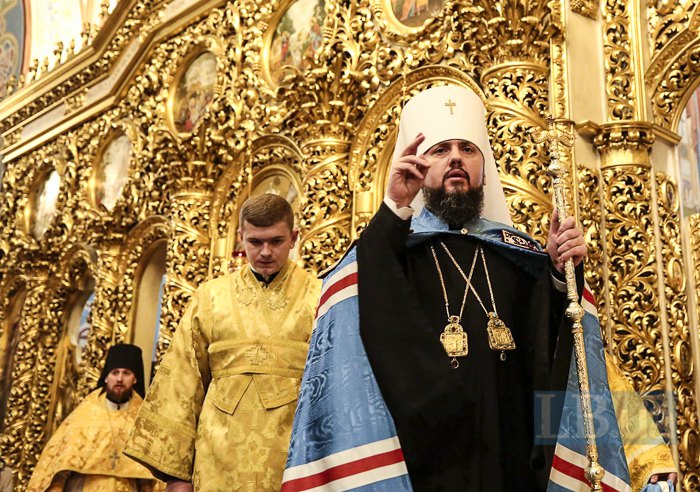
On
15 December, a Unification Council took place in Kyiv which molded a
single Orthodox Church from the hitherto disparate Ukrainian Orthodox
Church of the Kyiv Patriarchate (UOC KP), Ukrainian Autocephalous
Orthodox Church (UAOC), and a small part of the Ukrainian Orthodox
Church of the Moscow Patriarchate (UOC MP) and elected its Primate. The
newly-created Orthodox Church in Ukraine is on track to receive a Tomos
of autocephaly from Ecumenical Patriarch Bartholomew on 6 January 2019.
On the one hand, the multi-generational dream of an independent Orthodox
Church of many Ukrainians has come true; on the other hand, the schism
between the Churches has not gone anywhere, because the UOC MP
overwhelmingly ignored the Council and is hostile to the new Church. Can
the historical event on 15 December be considered a victory, what goals
does the new Church have before itself to gain the trust of world
Orthodoxy, and what reform plan it should have are some of the questions
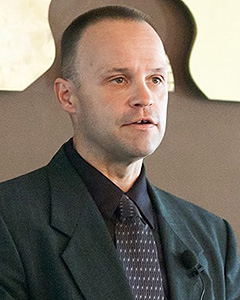
we discussed with Fr. Nicholas Denysenko, an American theologian who has just released a book on the history of the Ukrainian Church in the 20th century.
Che cosa significano per l’ecumenismo le recenti tensioni in seno all’ortodossia? Il dialogo tra il Vaticano e Mosca si è di nuovo raffreddato? Che influsso hanno lasciato la celebrazione dell’anniversario della Riforma nel 2017 e l’“evento-Lund”? E quali nuovi progetti sono in vista? Sono domande a cui il Presidente del Pontificio Consiglio per la promozione dell’unità, card. Kurt Koch, ha risposto in un’intervista a katholisch.de, pubblicata il 12 dicembre.